Living in Cuba
Did you know that Cuba is the largest island in the Caribbean Sea and has a geography that includes tropical beaches, mountains, jungles, coral shores, and extensive plains?
Some General Facts:
Highest point: Pico Turquino, approximately 1,974 meters above sea level
The Cauto River is the longest in Cuba: it runs approximately 343 km.
Varadero has some of the most famous beaches in the Caribbean Sea: its turquoise waters and extensive sandy beaches attract visitors from all over the world.
Havana Vieja is a World Heritage Site: it preserves a large number of historical buildings and colonial architecture.
Cuba has unique species: the island's isolation has fostered a biodiversity with countless endemic animals and plants.
In Cuba, the Cuban crocodile lives: a species endemic to the Zapata Peninsula.
The Zapata Swamp is one of the largest wetlands in the Caribbean Sea: it hides a great diversity of birds, reptiles, and other species.
Cuba has thousands of islands: among them are Cayo Coco, Cayo Guillermo, Cayo Santa María, and Cayo Largo del Sur.
Daily life in Cuba is an intense combination of resilience, community spirit, and a profound economic crisis. Where tourists often see the romantic side of vintage cars, salsa, and cigars, the locals struggle with a harsh reality.
Here is a glimpse of what life on the island currently looks like.
Power outages and energy poverty
The current: The biggest obstacle in daily life is the unpredictable power supply. Households often have electricity for only a few hours a day.
Darkness: Especially at nite, large parts of cities like Havana fall into darkness because the state has to ration the scarce energy.
Especially in the outlying neighborhoods and provinces, it hits the residents particularly hard.
Home batteries: Those who have money (often through family abroad) try to buy an expensive Chinese home battery or solar panels to keep the refrigerator and fan running. For most people, however, this remains unaffordable.
Transport and mobility
No gasoline: Because fuel is scarce and very expensive, the classic vintage cars often remain idle.
Alternatives: People move on foot, ride bike taxis, or take overcrowded, shared electric tricycles and rickshaws. A ride quickly costs hundreds of pesos.
Economic pressure and the struggle for foodLow income: An official job yields a modest salary when converted, while the prices of basic products are high.
Earning extra income: Virtually everyone has developed a "capitalist brain" to survive: people take on side jobs as hairdressers, sell items through word of mouth, or offer services on the black market.
Ration: The age-old coupon system provides basic food, but shelves in regular stores are often empty.
Community and culture as a support
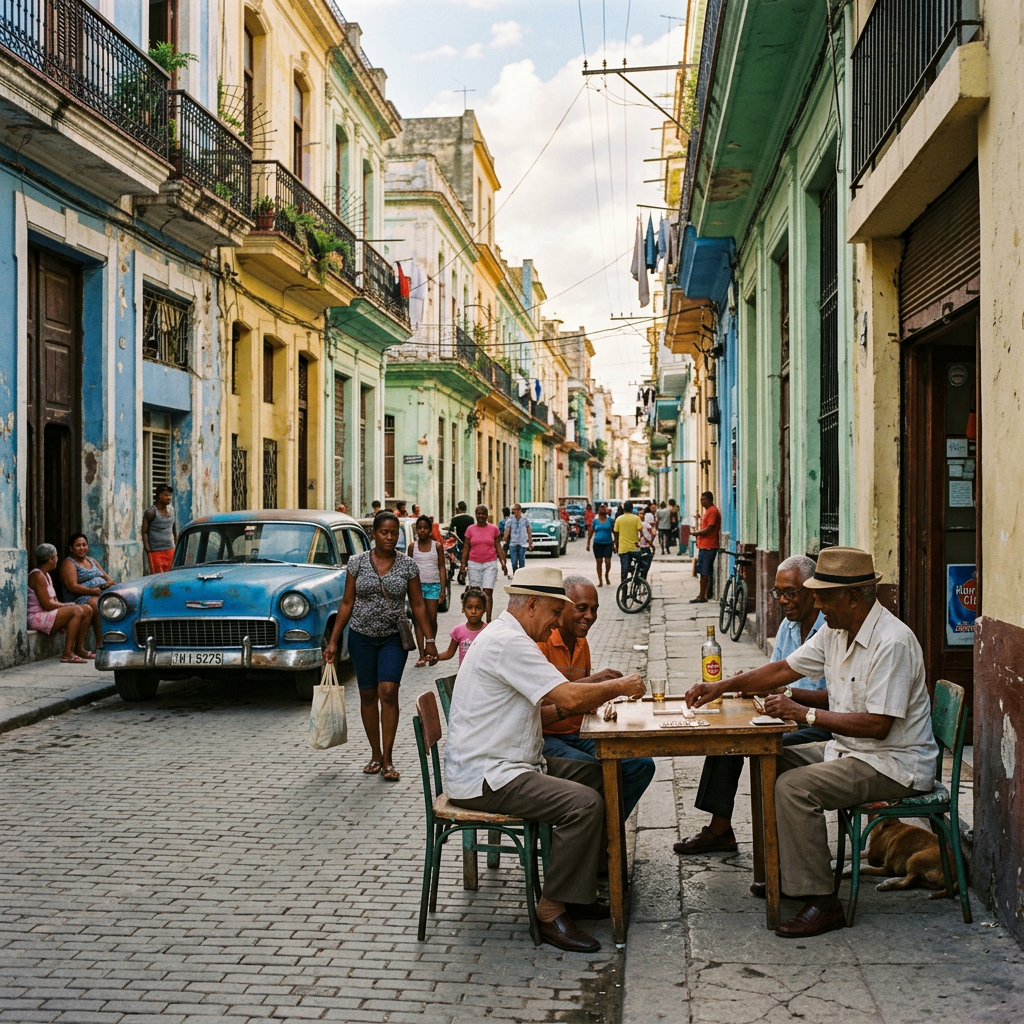
Social life: Despite the enormous setbacks, social cohesion remains strong. Doors are open, people gather in courtyards (patios) to drink strong coffee and exchange news.
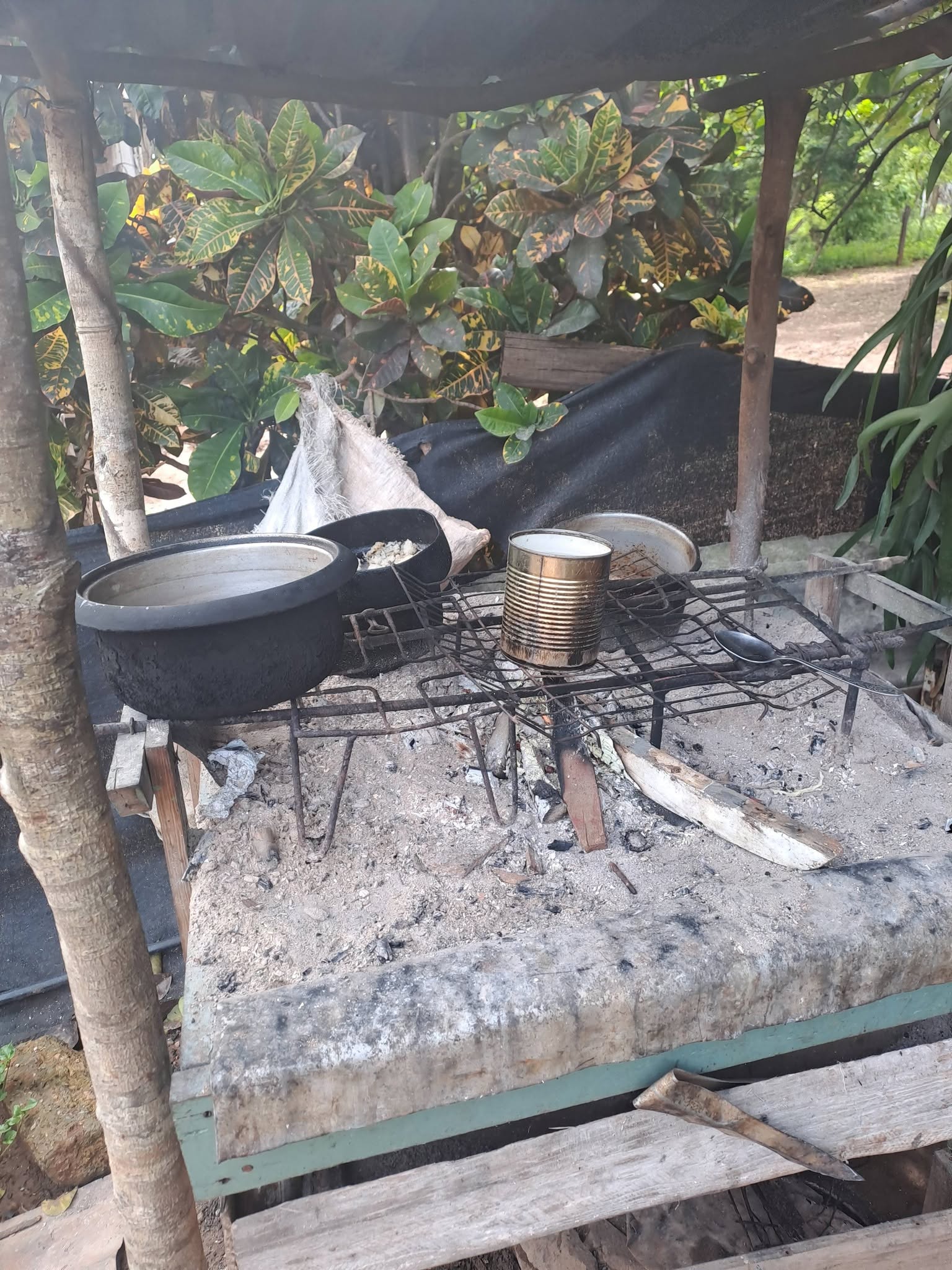
- A typical kitchen in Cuba, with charcoal and firewood, where the daily food (when available) is prepared.